
I pulled my synthetic topper out of its bag last week and genuinely did not recognise it.
It had been a few months since I’d worn it – I’d been rotating through other pieces, it got shoved in a bag, the bag got shoved in a drawer, and somewhere in that process it had transformed from a soft, bouncy piece I liked into something resembling a bird’s nest that had survived a mild electrical incident. Frizzy. Dull. Fibres going in every direction except the ones they were originally programmed to go in. It looked done. I thought I was going to have to write it off.
I didn’t write it off. And that’s what this post is about!
The quick version
You can restore most frizzy, crunchy or tangled synthetic wigs and toppers at home. Start with a cool wash and conditioner. A Silicon Mix soak sorts out most dry, crunchy pieces, steam resets a piece that has lost its whole shape, and a flat iron on its lowest heat (with a spritz of water first) fixes the bits still misbehaving. Trim frayed ends. Fabric softener is the old trick, but some wig wearers now warn it leaves residue, so I use it with caution. If the fibres are melted, snapping or will not comb out after conditioning, nothing here will bring the piece back.
Table of Contents
Before you do anything: you don’t have to do all of this
This post has a lot of methods in it – and I want to be upfront that you absolutely don’t need to work through all of them. Most pieces only need one or two. If yours is just a bit flat and dull, start with the fabric softener soak or the flat iron trick and see how far that gets you. If it’s genuinely rough and crunchy, the Silicon Mix soak is where I’d go first. The full list is here so you can pick what applies to your situation, not so you feel like you have to run your wig through a ten-step obstacle course every time it has a bad day.
Why synthetic hair goes wrong in the first place
Synthetic pieces don’t really die so much as they get tired. Worn out. A bit crispy around the edges like they’ve lived three chaotic lives in one. The fibres are essentially plastic – manufactured to look like hair, but without any of hair’s ability to self-correct. Anything that disrupts the original fibre memory – friction, improper storage, heat exposure, or just regular wear over time – and you’re left with something frizzy, matted, or weirdly stiff. Frizzy and frazzled is basically synthetic hair’s way of saying “I’ve been through things I refuse to talk about.”
The good news is that most of the time, this is fixable. You just have to treat it like fibre rehab rather than a lost cause. (And if you’re not sure whether you even need a synthetic piece or whether human hair might suit you better, I wrote about the difference between wigs and toppers and what actually suits different situations – worth a read if you’re still figuring that part out.)
Step one: the reset wash
Before you do anything else, wash it. Not aggressively – this isn’t the time to really get in there. Fill a basin with cool water and add a capful of wig-specific shampoo, or a very gentle sulphate-free one if that’s what you’ve got. Swish the piece through it gently. No rubbing. No scrubbing. Scrubbing is how you summon frizz demons and make everything worse than it was before you started.
Rinse, then go straight into conditioning. A synthetic wig conditioner works well, or a diluted regular conditioner left on for five to ten minutes. You’re trying to soften the fibres before you do anything more intensive, so don’t skip this bit.
The fabric softener soak
This is the classic rescue move and it genuinely works. Mix roughly one part fabric softener with five parts cool water, submerge the piece, and let it sit for ten to fifteen minutes. What this does is relax the synthetic fibres so they stop standing up like static-prone wire. It smooths out that crunchy, dry texture that builds up with wear.
Rinse it lightly afterwards – don’t strip it completely or you undo the whole point. And don’t overdo the fabric softener itself, because too much and the piece gets greasy and heavy, which is a different kind of problem. Use something without a strong fragrance if you can. You’re going to be wearing this near your face.
[ Disclaimer: I’ve recently come across feedback from wig wearers suggesting this may no longer be a safe option. Fabric softener can leave residue on synthetic fibres that may build up over time and potentially cause long-term damage. Please use this tip with caution. ]Detangling: slowly, from the ends up
While the piece is still damp and slippery from conditioning, this is when you detangle. Wide-tooth comb or a wig brush. Start at the ends and work upward, slowly. Hold the fibre above the knot you’re working through so you’re not pulling tension into the cap. If it’s fighting you, stop. Let the conditioner do its job a bit longer.
No ripping. No rushing. You’re negotiating peace, not winning a fight. This same gentle approach applies to human hair pieces too – I go into the full routine for those in my human hair topper and wig maintenance guide, which covers everything from washing to storage to the mistakes I made that I’d really rather you didn’t repeat.
Silicon Mix treatment
Silicon Mix was designed for human hair, but the wig community figured out a while ago that it works brilliantly on synthetic pieces too – and it’s now my go-to whenever a piece has got progressively crunchier and more lifeless over time. It’s conditioning in a way that standard wig products often aren’t, and it can pull back softness from fibres that seem like they’ve completely given up.
The method: fill a basin with cool water, add a small amount of Silicon Mix (a little goes a long way – don’t glug it in), submerge the piece, and let it soak anywhere from fifteen minutes to a few hours depending on how rough the situation is. Then rinse gently, pat dry – not rub, please don’t rub – and air dry flat. When it dries, you’ll usually find something noticeably improved. Not always brand new. But wearable again. That’s the whole point.
Buy the Silicon Mix hereOn AmazonSteam: the whole-piece reset
If the piece has lost its shape entirely – not just frizzy ends but the whole thing gone rogue – steam is how you address that globally. Hang it up, take a garment steamer (or a kettle, honestly, if that’s what you’ve got), and pass steam over the whole piece from a few inches away. You’re not trying to soak it. You’re warming all the fibres up at once so they soften and release whatever chaotic shape they’ve been holding onto.
Then brush it out while it’s still warm – working it back into the original style as you go. This is essentially reprogramming the fibre memory across the whole piece. Keep the steamer moving and don’t hold it too close. Synthetic fibres can melt with too much direct heat, and I say that from having seen the aftermath rather than from wanting to sound dramatic.
Flat iron and water: targeted rescue
Where steam is a global reset, the flat iron trick is for precision work – tackling specific sections that are still frizzy, flyaway, or weirdly kinked after everything else. Spritz the section with water until it’s just damp, then take a flat iron on its absolute lowest heat setting and work through in slow, smooth passes. The moisture turns into light steam as you go, resetting individual sections without disturbing the rest of the piece.
Lowest heat. I mean it. Synthetic fibres are not designed for the temperatures you’d use on real hair, and the damage from a too-hot iron is irreversible. Test on a small hidden section first. This is one of those things where going carefully once is a lot better than finding out the hard way.
Silicone spray for shine
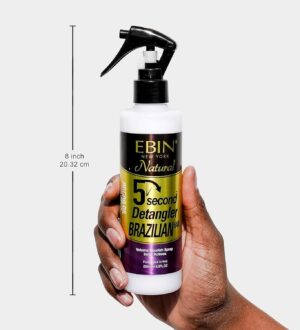
Once the piece is dry and detangled, a light mist of wig-safe silicone spray can bring back some gloss and knock out any remaining flyaways. Think sheen, not slip-and-slide helmet. One or two passes from a distance, then finger-comb rather than brush, which can disturb it and undo your work.
Buy the wig silicone spray hereOn AmazonThis is a finish step, not a fix step. It won’t sort out actual frizz or damage. But it gives a revived piece that soft, less-plasticky look that makes it feel like something you want to wear again.
Hot water setting (heat-resistant wigs only)
If your piece is specifically labelled as heat-friendly synthetic, you can use a hot water set to retrain the shape. Dip sections into hot – not boiling – water, style them into the shape you want, and let them dry in position. This is how you smooth out weird bends, revive flattened curls, or reset a style that’s gone completely out of shape.
Check your piece’s heat rating before you try this. Not all synthetics can handle it. With a regular non-heat-resistant piece, hot water can cause just as much damage as heat tools at the wrong temperature. If you’re shopping for a new piece and want something with more flexibility, my colour matching guide for wigs and toppers also covers what to look for when you’re buying – including heat ratings and what they actually mean in practice.
Trim the ends
Sometimes the bottom few centimetres are just beyond saving. Synthetic wigs tend to fray and frizz at the tips first – it’s where the most friction happens – and sometimes no amount of conditioning or steaming is going to fix that specific damage. A small trim, even just taking off a centimetre or two, can instantly make the whole piece look ten times fresher.
I always feel slightly reluctant to cut into a piece. I always feel better about it after.
Storage – which I’m mentioning because I kept ignoring it
After all of this – after you’ve washed and conditioned and steamed and spritzed – please put the piece somewhere that isn’t going to immediately undo all of that work. A head stand sized correctly for the piece, or folded carefully in a silk or satin bag. Not shoved in a drawer with other things piled on top.
Tossing it in a box is how you get back to square one in two months and have to do this whole process again. I know because I’ve done this multiple times. Embarrassingly multiple times. I go into storage in detail in my post on how I deep condition my hair toppers and wigs – the storage section alone has saved me from repeating some genuinely avoidable mistakes.
What won’t save it
If the fibres are actually melted together, snapping when you handle them, or so matted they won’t comb out regardless of conditioning – that’s it. Nothing in this post will fix structural fibre damage. Sometimes a piece is genuinely done and the kindest thing is to let it go. I always feel disproportionately sad about this and I’m not entirely sure why.
Also worth saying clearly: the Silicon Mix and fabric softener tricks are for synthetic fibre specifically. If you have a human hair piece, treat it like actual hair – good quality conditioner, gentle handling, appropriate heat at appropriate temperatures. Different rules entirely. And if you’re at the point of replacing a piece, read my mistakes post first – it covers every wrong turn I made so you can skip straight to the right decision. JBExtension is one of the places I point people towards when they’re replacing a piece and don’t want to spend a fortune on it, and my JB Extension discount code takes 10% off if you go that way.
Here’s the honest order of operations: start with a wash and fabric softener soak for anything flat or crunchy. Add the Silicon Mix if it’s in a worse state than that. Steam the whole piece if the shape has gone. Use the flat iron for whatever’s still misbehaving in specific sections. Finish with silicone spray. Trim if you need to. Store it properly this time.
Most synthetic pieces that look done are not actually done. They’re just waiting for someone to bother. Bother with them. It’s almost always worth it!
Drop a comment if you’ve tried any of these – or if you’ve got a method I haven’t mentioned, I genuinely want to know about it. You can also find me on Instagram @neveen.wood or over on YouTube at @neveen. And if you want more practical how-tos like this, I collect all my wig and hair topper tutorials in one place – worth bookmarking if you’re still figuring out the whole alternative hair thing.
FAQ
Can you revive a synthetic wig that’s gone frizzy?
Yes, in most cases. Frizzy synthetic hair usually means the fibres have lost their original alignment through wear, friction, or improper storage – but that’s fixable. A reset wash followed by a steam reset will sort most cases of frizz, and a Silicon Mix soak handles the rougher ones. A fabric softener soak also works, though read the caution on that method before you use it. If the fibres are melted or snapped, that’s a different problem and much harder to fix.
How do you restore or fix a synthetic wig at home?
You don’t need much. A basin, cool water, a wig shampoo (or a gentle sulphate-free one), conditioner and a wide-tooth comb or wig brush cover the basics. For the tougher jobs add Silicon Mix or a garment steamer, and a flat iron only helps if it goes down to a low setting. Wash, condition and detangle while the piece is still damp, then pick the fix that matches the problem. You won’t need every step in this post. A head stand or a satin bag afterwards stops you having to do the whole thing again in two months.
Does Silicon Mix work on synthetic wigs?
Yes – Silicon Mix was designed for human hair but works really well on synthetic pieces too. It’s deeply conditioning and can restore softness to fibres that have gone crunchy and dry over time. Soak the piece in cool water with a small amount of Silicon Mix, leave it anywhere from 15 minutes to a few hours, then rinse gently and air dry flat.
Can I use a flat iron on a synthetic wig?
Only on the lowest heat setting, and only if your piece is standard or heat-resistant synthetic. Most synthetic fibres will melt or distort at high temperatures. The water and flat iron trick – dampen the section first, then use the iron on its lowest setting – creates a gentle steam effect that can reset frizzy fibres without causing damage. Always test on a small hidden section first.
How do you use fabric softener on a synthetic wig?
One part fabric softener to five parts cool water, submerge the piece, leave it ten to fifteen minutes. It relaxes the fibres and takes down that stiff, crunchy texture. Rinse lightly afterwards rather than stripping it completely, and don’t overdo the softener or the piece goes greasy and heavy. One caveat I’d want you to have before you try it: I’ve since seen feedback from wig wearers that fabric softener can leave residue on synthetic fibres that builds up and may cause damage over time. Treat this as a use-with-caution method rather than a routine one.
Can you steam a synthetic wig?
Yes, carefully. A garment steamer held at a distance – not directly on the fibres – can help reset the shape and reduce frizz. Pass the steam over the hanging piece and brush it out while it’s still warm. Don’t hold the steamer too close or linger in one spot too long, as synthetic fibres can melt under too much direct heat.
How should you store a synthetic wig to keep it in good condition?
On a head stand that fits the piece, or folded carefully in a silk or satin bag. Stuffing it in a drawer or a bag with things piled on top is how you end up with a tangled, flattened piece that needs reviving all over again. Silk and satin reduce friction, which is one of the main causes of frizz and fibre damage over time.
When should you just replace a synthetic wig instead of trying to revive it?
If the fibres are melted together, snapping when you handle them, or so matted they won’t comb out even after conditioning – that’s usually the end. A small trim can help with frizzy ends, but structural damage to the fibres themselves generally can’t be reversed. If it’s been revived multiple times and keeps deteriorating fast, it’s probably time to retire it.




Google will show you more of my posts when you search, AI answers included. One tap, and you can undo it any time.


