
There’s a hair topper sitting in my wardrobe right now that I paid real money for and wore exactly twice. Not because it was bad, necessarily. Because I bought it completely wrong. Wrong base size, wrong attachment style for my hair type, wrong colour in a way that was not immediately obvious from the product photos but was very immediately obvious in real life, in a mirror, in natural light, with my actual face attached.
I made so many mistakes in the beginning. So many. The kind that cost you money and time and that specific flavour of demoralisation that comes from getting excited about something and then watching it not work.
I’ve been wearing alternative hair for years now. I’ve been through the wrong purchases, the wrong expectations, the learning-curve moments where you’re holding a topper in both hands staring at your own reflection thinking is this even right. And if you’re just starting out – or if you’re on your second or third purchase and still not quite getting it – I want to hand you the list I wish someone had handed me.
Here’s what I got wrong, so hopefully you don’t have to.
Table of Contents
I bought by price, not by base size
This was mistake number one. I saw a price I felt okay about and just… ordered. Didn’t measure properly. Had a vague sense of my thinning area, thought I knew roughly what I needed, figured I’d work it out when it arrived.
The base was too small. It didn’t cover what I needed it to cover. And no amount of creative positioning was going to fix that.
Before you spend a single pound on a topper, measure your hair loss area. Properly. I wrote a whole post on how to measure your hair loss area for a topper because it kept coming up and it really does matter that much. Two minutes with a soft tape measure will save you from buying something that’s never going to work for your head, regardless of how pretty it looks in the listing photos.
I thought clips were clips
They’re not all the same. The number of clips matters, the placement matters, and crucially what your bio hair is like matters enormously. If your hair is fine and slippery (hi), a topper with four basic pressure-sensitive clips is going to slide. You’ll be adjusting it every twenty minutes. You’ll spend the whole time you’re out thinking about it.
I didn’t know to ask about clip types when I was starting out. I didn’t know that some toppers have better grip than others, or that you can swap out clips, or that some people use wig tape or grip spray underneath for extra security. I just assumed I’d clip it on and it would stay.
It did not always stay.
(If sliding is your current nightmare, I wrote a whole separate post about why your hair topper keeps sliding and what actually fixes it – because this comes up constantly and there are actual solutions.)
I picked the colour from a thumbnail
Look. The photo on the product page and the actual colour of the piece in your hands in your bathroom lighting are two different things. I knew this about other products. I somehow forgot it about hair.
I ordered a warm medium brown that looked like a perfect match online. In person it had an orange tint I hadn’t anticipated and my roots were pulling cool. It wasn’t catastrophic but it wasn’t right, and every time I wore it I was aware of it.
A lot of brands do colour rings for a reason. Use them if they’re available. Or if you’re ordering blind, try to find someone with a similar natural colour who’s reviewed the same piece on video. Real lighting, moving hair, different backgrounds. That’s what you actually need to see. I’ve got a full breakdown of colour matching in my post on how to colour match a hair topper or wig – including the specific disasters that taught me what I know. (Short version: order two shades and return the one that doesn’t work. Not as excessive as it sounds.)
I had no idea what base type I actually needed
Mono top. Silk top. Lace front. Wefted sides. When you’re brand new to this, the product descriptions alone are enough to make your brain short-circuit. I know this because I was that person, at 11pm, staring at my laptop thinking surely I just want to buy a hairpiece, why is this so complicated.
I bought my first topper without really understanding what a mono top was, why it mattered, or how the base construction would affect how the piece looked and felt on my head. I just went by the photos. Huge mistake. Base type affects the parting, the scalp illusion, the durability – all of it.
If this is where you are, I’d genuinely start with my post on measuring up for a hair topper before you buy anything – getting the basics sorted first will save you from the most expensive mistakes.
I expected to nail it immediately
I put that topper on for the first time and it looked wrong and I thought: this isn’t for me.
It wasn’t that it wasn’t for me. It was that I didn’t know what I was doing yet. I hadn’t figured out how to blend my bio hair into the topper piece. I hadn’t found the right position on my head. I hadn’t worked out whether to use heat, how much, where. I was holding it in place with one hand and trying to style it with the other and it just looked like what it was – someone figuring something out for the first time.
It gets better with practice. Genuinely. Your hands learn it. It starts feeling normal. But the first few times are going to feel awkward and that’s not a sign you’ve made the wrong choice, that’s just the learning curve doing its thing.
I wrote about exactly this in my post about what I’d tell myself at the start of wearing alternative hair – including how I planned my outfit around avoiding disaster and why the whole experience was less catastrophic than I’d convinced myself it would be. If you’re at the “is anyone going to notice” stage, that one’s for you.
I didn’t account for density
My bio hair is fine. Not just thin from hair loss – it’s always been fine-textured. Which means I needed a topper with lower density to actually blend. But I didn’t know that. I ordered something with a density that looked great on the model and looked weirdly lush and thick compared to my actual hair.
If you have fine hair, look for toppers described as light or medium density. If your bio hair is thicker, you can go higher. Matching the density is just as important as matching the colour, and it’s the thing I see least talked about. Honestly, it’s also where synthetic vs human hair matters – because the two sit and move very differently on the head. If you haven’t figured out which one’s right for you yet, my post on hair toppers vs wigs covers the different considerations in proper detail.
I didn’t know what I was actually looking for when I shopped
This is the one that underpinned all the other mistakes, honestly. I was a beginner trying to shop like someone who already knew what they were doing. I’d land on a product page, look at the model photos, check the price, and if it seemed reasonable I’d order it. I had no framework for evaluating whether a piece was actually right for my specific hair loss pattern, my hair type, my lifestyle.
If you’re at the very start of this and you’re not sure whether you even need a topper versus a wig, my post on hair toppers vs wigs is probably the right place to start. Get that sorted first, then come back to the buying process.
I stored it terribly
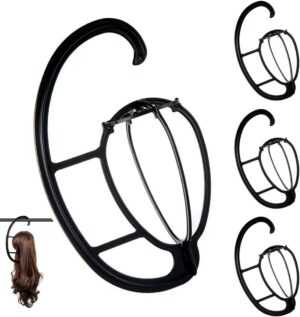
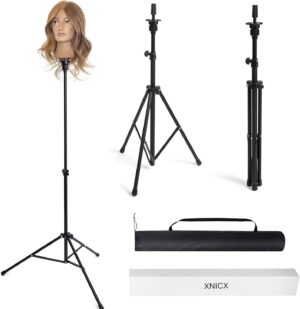
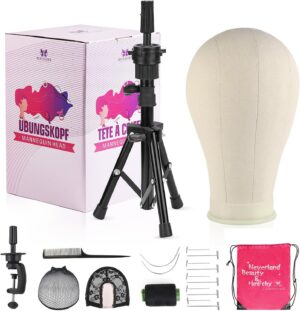
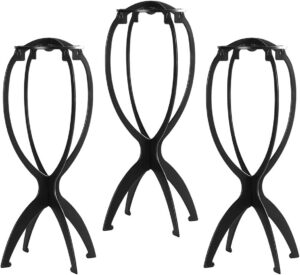
Not immediately, but after a while I got lazy. Started just… putting it down wherever. In a bag. On a shelf. Not on a stand, not properly stored. And it showed. The hair got tangled. The style dropped. Things that wouldn’t have happened if I’d just put it on the stand it came with.
Alternative hair is an investment. Treat it like one. Stands, storage bags, proper washing routine. I wrote about the full maintenance routine for human hair toppers and wigs and I meant every word of it – including the part where I describe what I did to a topper I really loved and can never get back. (RIP. Genuinely.)
One more thing I wish someone had told me
The emotional side of this is real and nobody really prepares you for it. That first purchase that doesn’t work the way you hoped, the learning curve, the moment in the mirror where it doesn’t look like you expected – it’s a lot. And it’s okay if it’s a lot.
I wrote about the inside part of hair loss – the bit that isn’t about products at all – in my post on what hair loss does to your head. It’s not a cheerful post but it’s an honest one, and honestly, sometimes you just need someone to say yes, this is hard, and that’s normal.
The mistakes I made were all fixable. Annoying, occasionally expensive, but fixable. And knowing about them in advance won’t guarantee you get everything right on the first try – because honestly that’s pretty rare – but it might mean your first try is less of a disaster than mine was.
FAQ
What is the biggest mistake beginners make when buying a hair topper?
Buying without measuring, which is exactly what I did. I ordered on price and a vague sense of my thinning area, and the base turned out too small to cover what I needed it to. No amount of creative positioning fixes that. Two minutes with a soft tape measure would have saved me the whole thing.
Why does my hair topper keep sliding?
Hair toppers slide most often because the clip type isn’t suited to the wearer’s hair texture. Fine or slippery hair doesn’t grip basic pressure-sensitive clips well. Solutions include using toppers with silicone-lined clips, adding wig grip spray, using double-sided wig tape under the clips, or swapping the existing clips for a style with better hold.
How do I colour match a hair topper to my natural hair?
Colour matching a hair topper is harder than it looks because screens show colour inaccurately and natural hair is never just one flat shade. Use colour ring samples where a brand offers them, order two shades and return the one that doesn’t work, view the piece in natural daylight rather than indoor lighting, and watch video reviews from people with a similar natural hair colour to yours.
What density hair topper should I choose for fine hair?
Light or medium density if your hair is fine in texture. Mine is, and I ordered something that looked great on the model and then sat on my head looking weirdly lush and thick next to my actual hair. Density matching matters as much as colour matching, and it’s the thing I see talked about least.
What is the difference between a mono top, silk top and lace top hair topper?
These refer to the base construction at the top of the topper. A mono top uses a thin monofilament material that allows each hair to move individually and creates a realistic scalp appearance. A silk top adds a second layer, with the knots sitting between the two and the silk over the top hiding them completely, which gives the most convincing scalp look of the three. A lace top is lightweight and breathable but typically less durable than mono or silk. Each has different trade-offs in terms of appearance, durability and price.
How should I store a hair topper when I’m not wearing it?
On a wig stand or mannequin head, which is exactly what I stopped doing once I got lazy. Mine ended up in bags and on shelves and the hair tangled and the style dropped, all of it avoidable. For travel use a breathable storage bag rather than plastic. Don’t leave it loose on a surface or shoved in a drawer, especially if it’s human hair.
Is it normal for a hair topper to look wrong the first time you wear it?
Yes, completely. Mine looked wrong the first time and I genuinely thought this isn’t for me. It wasn’t the piece. I hadn’t worked out how to blend my own hair into it, or where it sat best on my head, and I was holding it with one hand while trying to style it with the other. Your hands learn it. Give it a handful of goes before you decide anything.
Should I buy a synthetic or human hair topper?
It depends on your lifestyle and priorities. Synthetic hair toppers are lower maintenance, hold their style without much effort, and are more affordable – but they can’t be heat styled and don’t last as long. Human hair toppers can be washed, blow-dried and heat styled like your own hair, blend more naturally, and last much longer with proper care – but they require more maintenance and cost more. Neither is universally better; it’s about which trade-offs suit you.
UNIWIGS – code NEVEEN for 15% off.
HAIRCUBE – code NEVEEN for 30% off.
JBEXTENSION – code NEVEENWOOD for 10% off.
DWY WIGS – code NEVEENWOOD for 10% off.
All codes: neveenwood.com/discount-codes


Google will show you more of my posts when you search, AI answers included. One tap, and you can undo it any time.


