My scalp used to feel like it was angry at me. Constantly. That tight, itchy, can’t-stop-thinking-about-it feeling that sits somewhere between uncomfortable and actually distressing. Flakes showing up on dark clothes. That specific embarrassment of reaching up to scratch in public and immediately regretting it. I’d wash my hair and get maybe a day of relief before it all started up again. Finding a scalp care routine for seborrhoeic dermatitis that I could actually stick to took years and a lot of wasted money. But I got there eventually.
I already had androgenic alopecia, which is female pattern hair loss, so my scalp was never just a neutral backdrop I got to ignore. But seb derm on top of that? That was a whole other level of fun. (Not fun.)
Quick disclaimer before we get into it: I’m not a dermatologist. Everything here comes from my own personal experience, my own research, and a lot of trial and error on my own scalp. Nothing in this post should replace professional medical advice, and if your seb derm is severe or not responding to anything, please see a doctor or dermatologist.
Table of Contents
What even is seborrhoeic dermatitis of the scalp
Seborrhoeic dermatitis, or seb derm, is a chronic skin condition that affects areas of the body where sebaceous glands are most active. On the scalp it shows up as flaking, redness, itching, and that general feeling that your scalp is staging a protest. The thing is, Malassezia (the yeast behind it) lives on everyone’s skin. Seb derm is strongly associated with an inflammatory reaction to it, though, and in some people, me included, that reaction is very much a whole thing. It’s not contagious, it’s not caused by poor hygiene, and it’s not something you just fix once and forget about. It’s a manage-it-for-life situation, which took me a while to properly accept.
For anyone with hair loss already in the mix, it matters even more to keep it under control. An irritated, inflamed scalp is not a happy environment for hair. So I got serious about it.
One thing I’d also recommend if you’re navigating seb derm: bookmark Sezia. It’s a free tool where you can pop in the ingredients list of any product and it’ll flag whether it’s safe for seb derm or whether it contains anything that could be feeding your Malassezia. I wish I’d known about it earlier. Would have saved me a lot of money on things that were actively making things worse.
If you want a second opinion, I built a fungal acne and rosacea ingredient checker of my own. Paste the list in and it tells you which ingredients malassezia might feed on, and why.
Everything I tried before landing here
I want to be upfront: I have spent a genuinely embarrassing amount of money trying to sort my scalp out. Peptide serums, caffeine treatments, clarifying masks, scalp oils, specialist shampoos, soothing toners that smelled lovely and did very little. Some of them were fine. A lot of them were fine. Fine just wasn’t enough. I needed something that actually addressed what was happening on my scalp rather than just temporarily calming it down, and it took a lot of trial and error and a very cluttered bathroom shelf to figure out what that looked like for me specifically.
My scalp care routine for seborrhoeic dermatitis: what I actually do now
Every morning: Hypochlorous acid spray, straight onto my scalp. Honestly, I originally bought this for my rosacea, not my scalp at all. I came across someone in a Reddit thread saying it had helped with their seb derm, decided to give it a go, and have genuinely noticed a difference since adding it in. I can’t claim it’s a frontline seb derm treatment because it isn’t – the clinical evidence isn’t there the way it is for something like ketoconazole – but for me personally it’s been worth it.
Every night: Philip Kingsley Flaky Itchy Scalp Toner. This is the one I rate most highly in my scalp care routine for seborrhoeic dermatitis. It contains piroctone olamine, which is an antifungal ingredient that directly targets Malassezia, the yeast that drives seb derm. You apply it to the scalp, leave it, don’t rinse. I do it before bed, let it do its thing overnight. It’s not glamorous but it works.
Once a week: Inkey List Salicylic Acid Scalp Treatment. Salicylic acid helps break down the buildup and flaking that comes with seb derm.
Once a week, alternating with the salicylic acid: The Ordinary Glycolic Acid 7% Toning Solution on the scalp. I alternate them so I’m not overdoing the exfoliation.
Pre-wash: MCT oil. I apply it to my scalp before washing as a pre-wash treatment, decanted into a scalp applicator bottle. MCT oil is made from short fatty acids (C8 and C10) that Malassezia doesn’t feed on, so it’s a useful pre-wash option for seb derm.
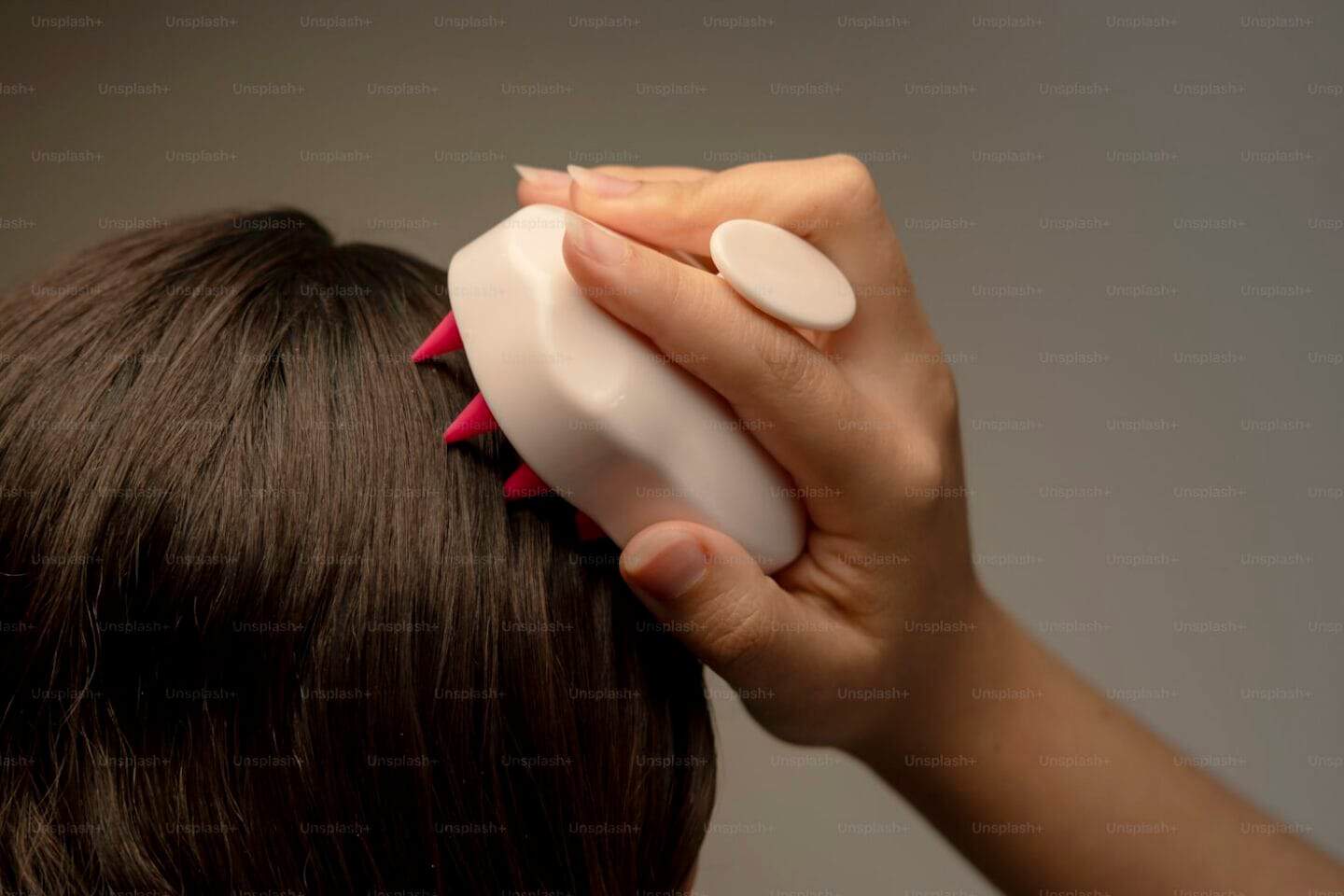
Shampoo rotation: I rotate between the Vichy Dercos Anti-Dandruff Shampoo, the L’Oreal Professional Scalp Advanced Anti-Dandruff Shampoo, and Nizoral 2%. Nizoral is the heavy hitter with ketoconazole antifungal – I don’t use it every wash but having it in the rotation keeps Malassezia in check. I also use a scalp massage brush whenever I shampoo. Several of these scalp products are available at Lookfantastic – I have a Lookfantastic discount code (LFTFNEVEEN, up to 25% off) if you’re stocking up.
The red light helmet: I use the CurrentBody LED Hair Growth Helmet a few times a week for hair growth stimulation.
A quick note before you go and buy everything
You don’t have to do all of this. Try one or two things first and see how you get on. Introduce things one at a time, patch test, give each thing a proper chance before adding something else in.
FAQ
What is the best scalp care routine for seborrhoeic dermatitis?
What works for me is an antifungal doing the actual work, plus occasional exfoliation for the flake buildup. Mine is the Philip Kingsley Flaky Itchy Scalp Toner every night, which contains piroctone olamine, and Nizoral 2% in the shampoo rotation rather than every wash. Salicylic acid one week, glycolic the next, so I’m not overdoing the exfoliation. MCT oil pre-wash, because Malassezia can’t feed on it the way it does on standard oils. And run anything new through Sezia before you buy it, which would have saved me a lot of money on things that were quietly making it worse.
Does seborrhoeic dermatitis cause hair loss?
Chronic scalp inflammation from seb derm can affect the scalp environment and potentially worsen hair loss, particularly in people already dealing with androgenic alopecia. Managing seb derm effectively helps keep the scalp healthier, which supports the best possible environment for hair growth. It’s not a direct cause of permanent hair loss the way androgenic alopecia is, but it’s worth treating regardless.
What shampoo is best for seborrhoeic dermatitis?
Nizoral 2% has the most clinical evidence behind it, and it’s the heavy hitter in my rotation rather than my every-wash shampoo, because used constantly it’s drying. I alternate it with Vichy Dercos and the L’Oreal Professional Scalp Advanced. Between washes, the Philip Kingsley Flaky Itchy Scalp Toner does the antifungal work with piroctone olamine, and honestly that’s the one product I rate most highly out of everything I’ve tried.
Is MCT oil safe to use on a scalp with seb derm?
Yes. Most standard oils (coconut, olive, argan) are problematic for seb derm because Malassezia feeds on long-chain fatty acids. MCT oil (specifically C8/C10 caprylic/capric triglyceride) falls outside the range Malassezia can metabolise, making it a safer pre-wash oil treatment option. It conditions and protects the scalp and hair without feeding the yeast.
What does Sezia do?
Sezia is a free online ingredient checker specifically for Malassezia-prone and seb derm skin. You paste in a product’s ingredient list and it flags anything that could feed Malassezia or aggravate seb derm. It’s a useful first pass before buying any new product, particularly moisturisers, serums, and hair oils.
How long does it take for seborrhoeic dermatitis to improve?
With consistent antifungal treatment, most people see improvement within 2-4 weeks. However seb derm is a chronic condition that doesn’t resolve permanently – it requires ongoing management. Flares can be triggered by stress, dietary changes, seasonal shifts, hormonal fluctuations, or using the wrong products. The goal is keeping it in a managed, calm state rather than curing it.
If seb derm has spread to your face too
Scalp seb derm and facial seb derm are really not the same thing, even though they’re the same condition. Your face is so much more reactive than your scalp, and the products and approach that work up top won’t necessarily translate down. I wrote a whole post about it because I went through this myself – eyebrow hair loss, flaky patches around my nose, the whole thing: Seborrhoeic Dermatitis on the Scalp vs Face: Why They’re Different and What Helps Each.
And if the facial seb derm has you hunting for a moisturiser that won’t make everything worse, that’s a whole separate hunt. One I’ve done: 6 Malassezia Safe Moisturisers That Don’t Feel Like Grease. Azelaic acid is also genuinely useful for managing seb derm on the face – here’s my honest take on the Anua azelaic acid serum if you’re curious about that one.
Skincare discount codes
STYLEVANA – use code INF10NEVE for up to 25% off.
Lookfantastic – use code LFTFNEVEEN for up to 25% off.
Full list at neveenwood.com/discount-codes.


Google will show you more of my posts when you search, AI answers included. One tap, and you can undo it any time.