I ruined my skin with a moisturiser once. Not dramatically, not in a “called a dermatologist” way, but in the very boring, very frustrating way where you start using something that feels genuinely pleasant to apply, really nice to use, and then about two weeks later your face is doing things it shouldn’t be doing and you have no idea why because you haven’t changed anything.
Except you have. You changed your moisturiser. And the moisturiser was full of things that Malassezia absolutely loves.
If you’ve got seborrhoeic dermatitis on your face, or you’re managing fungal acne (which is a Malassezia-driven thing, despite the confusing name), then you already know that finding a moisturiser is genuinely one of the harder parts of building a routine. Because moisturisers are full of emollients. And emollients are often fatty acids and esters. Which are basically Malassezia’s dinner.
So you’re stuck. You need moisture because your skin barrier is wrecked from either the condition itself, or the treatments you’re using to manage the condition (hi, ketoconazole cream, love you, you are very drying). But most moisturisers will make things worse. The ones that don’t feel like grease are even harder to find. And the ones that don’t feel like grease AND pass a Sezia check AND are actually available in the UK? That’s a very short list.
I’ve been on this hunt for years. Here’s what I’ve actually found.
Table of Contents
Who this post is for
- Flaky, reactive facial seb derm
- Fungal acne-prone skin
- Damaged or compromised skin barriers
- Anyone who keeps reacting to moisturisers marketed as “gentle”
Still figuring out whether you’re dealing with facial seb derm, scalp seb derm, or both? I covered the differences in detail here: Seborrhoeic Dermatitis on the Scalp vs Face: Why They’re Different and What Helps Each. And if it’s scalp products you’re after, the Seb Derm Directory (UK Edition) has you covered.
One thing before you start: run every single product mentioned here through Sezia using the current UK ingredient list before you buy it. Formulas change. What was clean six months ago might not be clean now. Treat this list as a starting point, not a guarantee. My skin is also not your skin, and what works brilliantly on mine might not suit yours at all. Patch test. Go slow. You know the drill.
Also worth saying upfront: “Malassezia safe” isn’t an official medical category. There’s no regulatory body handing out certificates. A lot of this comes from ingredient databases, research around what the yeast actually metabolises, and years of community trial and error. People in fungal acne spaces can wage full-scale civil wars over a single ester molecule, and honestly I get it, but it means there will always be some disagreement. I’ve done my best to flag anything contested rather than pretending everything here is black and white. It isn’t.
1. Avène Cicalfate+ Restorative Protective Cream
This is the one I keep coming back to during flares. When my skin is actively doing something horrible, when it’s tight and angry and flaking and I need to slap something on it that’s going to help and not make things worse, this is what I reach for.
It’s thick. I want to be honest about that. It’s not a lightweight gel or a watery lotion, it’s a proper cream that sits on the skin and does its barrier-repairing thing. But it doesn’t feel greasy in the way that a lot of thick creams do, it sinks in properly and my skin feels genuinely calmer within a few hours of using it.
One heads up: there’s an emulsifier in it, polyglyceryl-2 sesquiisostearate, that stricter checkers like SkinSort flag, plus a little hydrogenated vegetable oil, so check the current INCI yourself rather than taking my word for it. The zinc and copper sulphate combination is antimicrobial, which is particularly useful if you’re dealing with seb derm. It’s fragrance-free. It’s genuinely one of the most thoughtfully formulated repair creams I’ve found for reactive and Malassezia-prone skin.
Available at Lookfantastic (use code LFTFNEVEEN for up to 25% off), Boots, and a lot of independent pharmacies. Not cheap, but a tube lasts ages because you don’t need much.
Ingredients: Avène Thermal Spring Water, Caprylic/Capric Triglyceride, Mineral Oil (Paraffinum Liquidum), Glycerin, Hydrogenated Vegetable Oil, Zinc Oxide, Propylene Glycol, Polyglyceryl-2 Sesquiisostearate, PEG-22/Dodecyl Glycol Copolymer, Aluminum Stearate, Aquaphilus Dolomiae Ferment Filtrate, Arginine, Beeswax (Cera Alba), Copper Sulfate, Magnesium Stearate, Magnesium Sulfate, Microcrystalline Wax, Tromethamine, Zinc Sulfate
2. Benton Aloe Propolis Soothing Gel
Honestly this one deserves more noise than it gets. It’s Korean, it’s cheap, and the formula is so minimal and clean that it’s almost suspiciously good for something at this price point.
The base is 80% aloe barbadensis leaf juice, not water. Which means you’re getting a tonne of actual aloe working for you from the top of the list. And then propolis extract, which has some antibacterial and antifungal research behind it (lab studies, mostly, so I wouldn’t call it a treatment). That’s a thing I look for. I want my moisturiser on my side. One heads up: SkinSort doesn’t give it a fungal acne safe tag, so run the current list through Sezia yourself.
The texture is gel-like. Very lightweight, almost cooling on application. It’s the kind of thing that works brilliantly in summer or if heavy creams make you feel like you’ve applied a mask to your face and can’t escape. Under SPF it’s fine, no pilling issues for me, though I’ve seen a few people mention it can pill under makeup so it’s worth testing on your skin first.
Available at Skinsider (code NEVEEN15), Olive Young (code NEVEEN20), and YesStyle (code NEVEEN15).
Ingredients: Aloe Barbadensis Leaf Juice (80%), Propolis Extract, Pentylene Glycol, Butylene Glycol, 1,2-Hexanediol, Glycerin, Aloe Barbadensis Leaf Extract, Betaine, Water, Portulaca Oleracea Extract, Allantoin, Houttuynia Cordata Extract, Psidium Guajava Fruit Extract, Schisandra Chinensis Fruit Extract, Perilla Ocymoides Leaf Extract, Acorus Calamus Root Extract, Citrus Paradisi (Grapefruit) Fruit Extract, Caprylyl Glycol, Acrylates/C10-30 Alkyl Acrylate Crosspolymer, Arginine
3. Vanicream Moisturising Skin Cream
Not glamorous. No gorgeous packaging. No interesting texture moment. Just a big plain tub of extremely boring, extremely effective moisturiser that your Malassezia-prone skin will probably love.
Vanicream is a brand that’s been around forever and is specifically formulated for sensitive, reactive, and allergy-prone skin. The moisturising cream is built on petrolatum and sorbitol, so it’s occlusive and humectant without any plant oils. The one heads up is a couple of emulsifiers (glyceryl stearate and PEG-30 stearate) that SkinSort flags, so run it through Sezia first. It’s fragrance-free, dye-free, preservative-free in the traditional sense. It’s the skin equivalent of “will this work? yes. will it be exciting? absolutely not.”
I use this one when my skin is at its most irritated and I just need everything to calm down. Available on Amazon. Very reasonably priced, especially given how big the tub is.
Ingredients: Water, Petrolatum, Sorbitol, Cetearyl Alcohol, Propylene Glycol, Ceteareth-20, Simethicone, Glyceryl Stearate, PEG-30 Stearate, Sorbic Acid
4. La Roche-Posay Toleriane Double Repair Face Moisturiser
This one is on practically every sensitive skin list ever written and for good reason. But I want to flag it specifically here because it’s one of the few widely available, actually affordable moisturisers that doesn’t feel like you’ve applied a coating to your face.
The texture is genuinely lovely. It’s lightweight but not watery, it absorbs properly, and it doesn’t leave a white cast or a sticky residue. It layers beautifully under SPF. For a day cream that you want to wear under makeup and just forget about, this is one of the best options I’ve found.
It has ceramides, niacinamide, and La Roche-Posay’s thermal spring water, and it’s fragrance-free. The heads up is a few fatty acids and esters in the middle of the list (myristyl myristate, plus stearic, myristic and palmitic acid) that Malassezia checkers pick up, so patch test it if you’re prone to fungal acne. And you can get it at Boots, which matters enormously to me because I like being able to walk into a shop and buy things with my own hands rather than waiting four to ten business days for the internet to deliver them.
One caveat: there’s a version of this with SPF and a version without. The ingredients differ. Run the specific version you’re planning to buy through Sezia rather than assuming they’re the same. Available at Boots.
Ingredients: Aqua / Water (La Roche-Posay Prebiotic Thermal Water), Glycerin, Dimethicone, Hydrogenated Polyisobutene, Niacinamide, Ammonium Polyacryloyldimethyl Taurate, Myristyl Myristate, Stearic Acid, Ceramide NP, Potassium Cetyl Phosphate, Isobutane, Glyceryl Stearate SE, Sodium Hydroxide, Myristic Acid, Palmitic Acid, Capryloyl Glycine, Caprylyl Glycol, Xanthan Gum, T-Butyl Alcohol, Acrylonitrile/Methyl Methacrylate/Vinylidene Chloride Copolymer, Tocopherol
5. Dr. Althea Aqua Marine Watery Cream
Okay so this one is everywhere in Korean skincare circles right now and I get why, because the texture is genuinely exceptional. It’s a water-gel, it’s 70% bamboo water, and it hits your skin feeling cool and slightly nothing, in the best possible way. No residue. No heaviness. No “what did I just put on my face” moment. It absorbs almost immediately and your skin just looks… better. Dewier. More alive.
The star ingredients here are guaiazulene, which is the deep blue compound that gives the cream its slight blue tint and is brilliant for calming redness and irritation, and panthenol at a pretty impressive 10,000ppm concentration, which does serious work for barrier repair and moisture retention.
Now. The ingredient flag. It does contain caprylic/capric triglyceride, which comes up sometimes in Malassezia discussions. The community is genuinely divided on this one – most resources including the Sezia tool don’t flag it as a Malassezia trigger, but I’m mentioning it because you should know it’s there and check the current ingredient list yourself. It also has cetyl alcohol and C14-22 alcohols (both fatty alcohols), which sometimes get questioned. I’ve used this without any issues personally, but patch test as always.
This is my current morning moisturiser on calmer skin days, specifically because the texture doesn’t interfere with anything I put over it. Available at Olive Young (code NEVEEN20) and YesStyle (code NEVEEN15).
Ingredients: Bambusa Vulgaris Water (70%), 1,2-Hexanediol, Propanediol, Water, Glycerin, Hydrogenated Polydecene, C14-22 Alcohols, C12-20 Alkyl Glucoside, Caprylic/Capric Triglyceride, Codium Fragile Extract, Palmaria Palmata Extract, Chondrus Crispus Extract, Sargassum Pallidum Extract, Butylene Glycol, Hyaluronic Acid, Hydrolyzed Hyaluronic Acid, Sodium Hyaluronate, Panthenol, Vinyl Dimethicone, Cetyl Alcohol, Carbomer, Tromethamine, Sodium DNA, Hydrogenated Lecithin, Dextrin, Gardenia Florida Fruit Extract, Polyglutamic Acid, Hydrolyzed Sodium Hyaluronate, Hydroxypropyltrimonium Hyaluronate, Potassium Hyaluronate, Sodium Hyaluronate Crosspolymer, Pentylene Glycol, Sodium Acetylated Hyaluronate, Guaiazulene, Agave Tequilana Leaf Extract, Sodium Retinoyl Hyaluronate, Zinc Hydrolyzed Hyaluronate, Dimethylsilanol Hyaluronate, Sodium Benzoate, Ascorbyl Propyl Hyaluronate, Ascorbyl Propyl Hydrolyzed Hyaluronate, Caulerpa Lentillifera Extract, Ethylhexylglycerin, Disodium EDTA
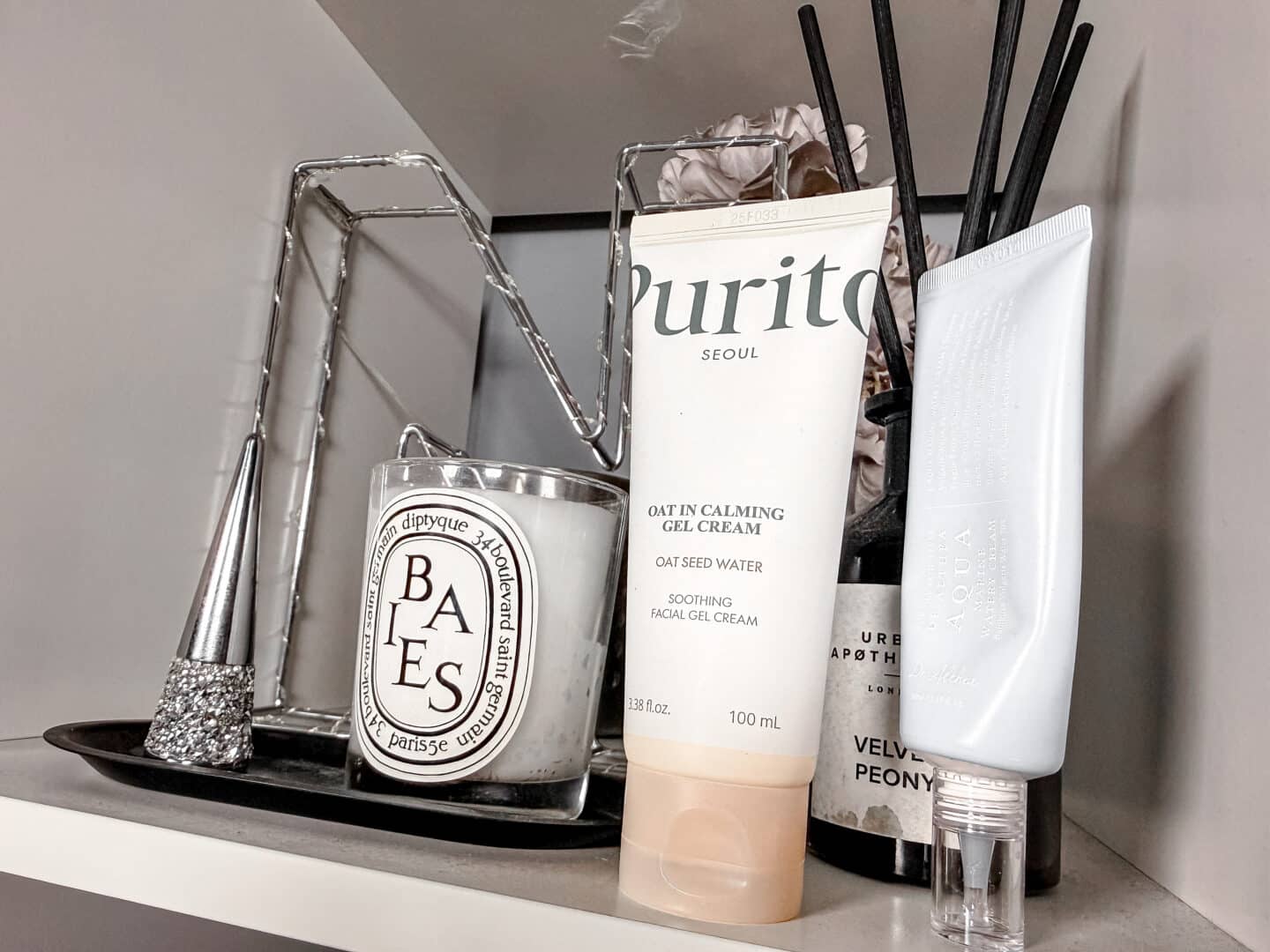
6. Purito Oat-In Calming Gel Cream
This is possibly the cleanest formula on the entire list. Seventeen ingredients. That’s it. And every single one of them is either doing something useful or getting out of the way. No filler, no padding, no sneaky esters hiding at position twelve. Just a very intentional, very minimal gel cream that does exactly what it says.
The base is 77% oat seed water, right at the top of the list, where most creams give you a sprinkle of oat extract somewhere near the bottom. Oat is there to soothe, and nothing else in here gives Malassezia much to eat. Then squalane, panthenol, beta-glucan, dipotassium glycyrrhizate. Nothing that screens badly. Fragrance-free, silicone-free, oil-free.
One honest note on texture: it does leave a slight tacky base on the skin. Not greasy, not heavy, genuinely quite lightweight, but there’s a stickiness that some people love and some people absolutely cannot stand. Worth knowing before you commit to a full size.
Available at Skinsider (code NEVEEN15), Olive Young (code NEVEEN20), and YesStyle (code NEVEEN15). Also at Sephora UK.
Ingredients: Avena Sativa (Oat) Seed Water (77%), Butylene Glycol, Glycerin, 2,3-Butanediol, 1,2-Hexanediol, Water, Ammonium Acryloyldimethyltaurate/VP Copolymer, Squalane, Hydroxyacetophenone, Carbomer, Dipotassium Glycyrrhizate, Panthenol, Tromethamine, Ethylhexylglycerin, Inulin Lauryl Carbamate, Sodium Surfactin, Beta-Glucan
How I Check Whether a Moisturiser Is Malassezia Safe
Since I’ve spent an embarrassing amount of time doing this research, here’s what I’ve learned to look for and avoid. Not as a definitive science lesson, just as a shortcut for your own ingredient checking.
Things that are usually fine: glycerin, hyaluronic acid and sodium hyaluronate, squalane (specifically squalane, not squalene), niacinamide, ceramides (NP, EOP, AP), mineral oil, petrolatum, zinc, silicones, most peptides. These form the backbone of most of the moisturisers on this list and they tend to screen clean.
Things to be cautious about: fatty acid esters (ethylhexyl palmitate, isopropyl myristate, isopropyl palmitate), plant oils like coconut oil, olive oil, sunflower seed oil, flaxseed oil. Polysorbates in some cases. Certain fermented ingredients. These are the things that Malassezia loves to feed on and the things that tend to cause problems.
I can’t stress enough: run everything through Sezia. It’s free. It takes thirty seconds. It’s saved me so much money and so many flares.
I also built my own fungal acne and rosacea ingredient checker for exactly this. Paste in a moisturiser’s ingredient list and it flags anything malassezia likes to eat, with a reason for each one.
If you want to see this whole process run on a different category, I did exactly that with sun protection: the same screen applied to fifteen Korean sunscreens, one ingredient list at a time. SPF is the hardest category of the lot to get clean, so it’s a decent stress test of the method.
Why Texture Matters More Than People Think
I know some people will read this and think “who cares what it feels like, as long as it works.” And honestly? Fair. If you’re in the middle of a bad flare and your face is on fire, you’ll put anything on it that makes it stop. I have done exactly that.
But for an everyday moisturiser, the texture actually matters quite a lot. Because if it feels like grease, you won’t use it consistently. If it pills under SPF, you’ll skip the SPF. If it makes you feel sweaty and uncomfortable all day, you’ll stop using it within a week and go back to whatever you were using before, even if that was also a problem. Skincare only works if you actually do it. So finding something that also feels decent to use isn’t vanity, it’s just practical.
FAQ
What is a Malassezia safe moisturiser?
A Malassezia safe moisturiser is one that doesn’t contain ingredients known to feed Malassezia yeast, particularly certain fatty acids, fatty acid esters, and plant oils. The term isn’t a regulated medical category – it comes from ingredient research and community-led testing. Tools like Sezia can help screen products for potentially problematic ingredients.
What moisturiser is best for seborrhoeic dermatitis on the face?
Good options for seborrhoeic dermatitis on the face include the Avène Cicalfate+ Restorative Protective Cream (fragrance-free, antimicrobial zinc and copper complex), La Roche-Posay Toleriane Double Repair Moisturiser (ceramides, niacinamide, lightweight texture, available at Boots), and the Purito Oat-In Calming Gel Cream (17 ingredients, 77% oat seed water, genuinely minimal formula). Always run the current UK ingredient list through Sezia before purchasing, as formulas change.
Is La Roche-Posay Toleriane safe for fungal acne?
Not on every checker. The Toleriane Double Repair Face Moisturiser is lovely and gentle, with ceramides and niacinamide, but the current formula has a few fatty acids and esters (myristyl myristate, plus stearic, myristic and palmitic acid) that Malassezia checkers pick up. If you’re prone to fungal acne, patch test it first, and run the specific version you’re buying through Sezia using the current UK INCI.
Related reading
If this is useful, these are the posts that go alongside it:
- Seborrhoeic Dermatitis on the Scalp vs Face: Why They’re Different and What Helps Each – the explainer post. Start here if you’re still figuring out what you’re dealing with.
- The Seb Derm Directory: Scalp and Hair Products That Actually Help (UK Edition) – same approach but for scalp and hair, with shampoos, treatments, and stylers.
- The Scalp Care Routine I Actually Stick To (And I’ve Tried a Lot) – the full routine walkthrough for my scalp specifically, if that’s where your seb derm lives.
- The Anua Azelaic Acid Serum Review: Fine. It’s Fine. – if you’re managing seb derm on your face, azelaic acid is worth knowing about. This is my honest take on the Anua version.
- All my active discount codes (including Lookfantastic, Skinsider, Olive Young and more) are at neveenwood.com/discount-codes.
If there’s a Malassezia-safe moisturiser you’ve found and loved that I haven’t mentioned, leave it in the comments below. I will absolutely run it through Sezia and report back.
Some links in this post are affiliate links, meaning I may earn a small commission if you buy through them, at no extra cost to you. Everything mentioned was tested by me.
Get my newsletter
I send one email a week, every Friday. New posts, what’s new in beauty, wigs and toppers, beauty deals and my current discount codes. Sign up here, it’s free and you can unsubscribe any time.
Google will show you more of my posts when you search, AI answers included. One tap, and you can undo it any time.